




Blog
Invisible Stereotypes
Feb
By

I have been binge-watching the early Marx Brothers movies. The film that got me thinking was “The Cocoanuts” from 1929.
The whole premise of all their movies is wild antics and dialogue – if one could call it that. It is more a series of rapidly spoken monologues. This is interrupted by a dance number with a group of high-kicking ladies, with an interlude of Harpo or Chico playing the harp or clarinet and the piano, respectively.
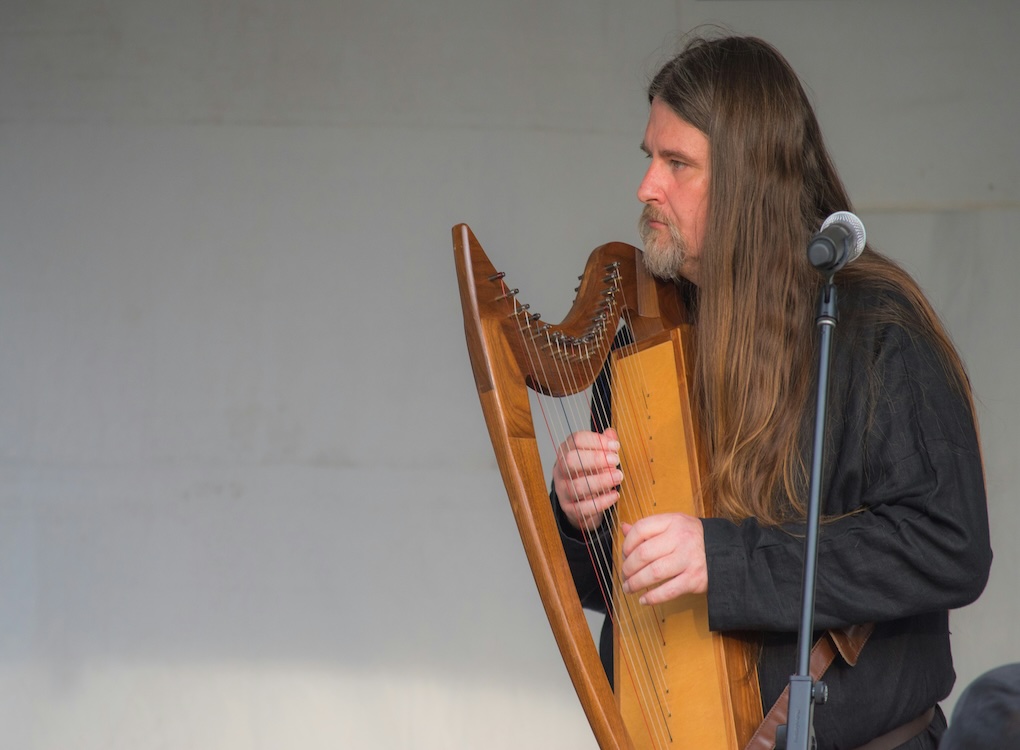
The harp is one of my favourite instruments. I enjoy listening to it and watching it being played. I realized I had never seen a male harpist. Harpo, the one who doesn’t speak, played the harp beautifully.
Why are there so few male harpists? I see a rabbit hole in our future.
In a study of 23 orchestras, 94% of the harpists were female. It was the most gender-skewed instrument in the orchestra.
This discrepancy starts early. Music education reveals a significant gender divide. Boys gravitate toward the ‘powerful’ brass and percussion instruments, while girls head for the flutes and harps. Research indicates that boys fear bullying if they choose a girly instrument.
Marie Antoinette, of ‘let them eat cake’ fame, arrived in France in 1770 to marry the future king, Louis 16th. Marie took harp lessons, often daily, not because she was a slow learner but because she loved the instrument. In fact, there are reports of a harp in her luggage.
Her enthusiasm for playing the harp did for the harp what current YouTube influencers do today. It inspired many followers, mostly women, to take up the harp to be associated with and recognized as elite, upper-class, and elegant. This message was reinforced by portraits of Marie playing ornate harps. At Versailles, the harp evolved into an objet d’art. In some homes, the harp had its own room.
This situation led to the patronages, now called sponsors, to further improve the harp. All this spurred the writing of music for the harp.
I recall the uproar when transit bus companies first started employing women. I still hear echoes of solemn, sometimes highly agitated conversations, opining on the dangers of hiring women to drive a big bus; too emotional, spatially unaware, and they’ll just go and get pregnant.
There is a crack of light, however. In musical genres such as folk, Celtic, and other non-classical styles, the proportion of male players of harp-like instruments, such as the lyre, increases.
This rabbit hole caught me off guard, even though I was familiar with harp music. I have CDs featuring the harp. It took Harpo, the exception to the unwritten rule, to help me notice the bias.
I can imagine in schools’ music education, steering boys towards the power instruments to help capture their interest in playing music, any kind of music.
Please give this a bit of a think. What biases have you noticed in your life that are barely noticed? Is there anything you can do to help reduce this bias within your sphere of influence?
Please comment by sending me an email with your bit of a think. I am curious about your thoughts.
Photo by Raul Barrios on Unsplash
If you enjoyed The Blog, please share it with others. Thanks.
And my thanks to St. Albert’s 50+ Activity Centre for making this Blog possible.
Volunteer Blogger
