






Blog
Put On Your Own Mask First
Jan
by

I generally agree with the concept of believing in the science. But.
The science has to be believable.
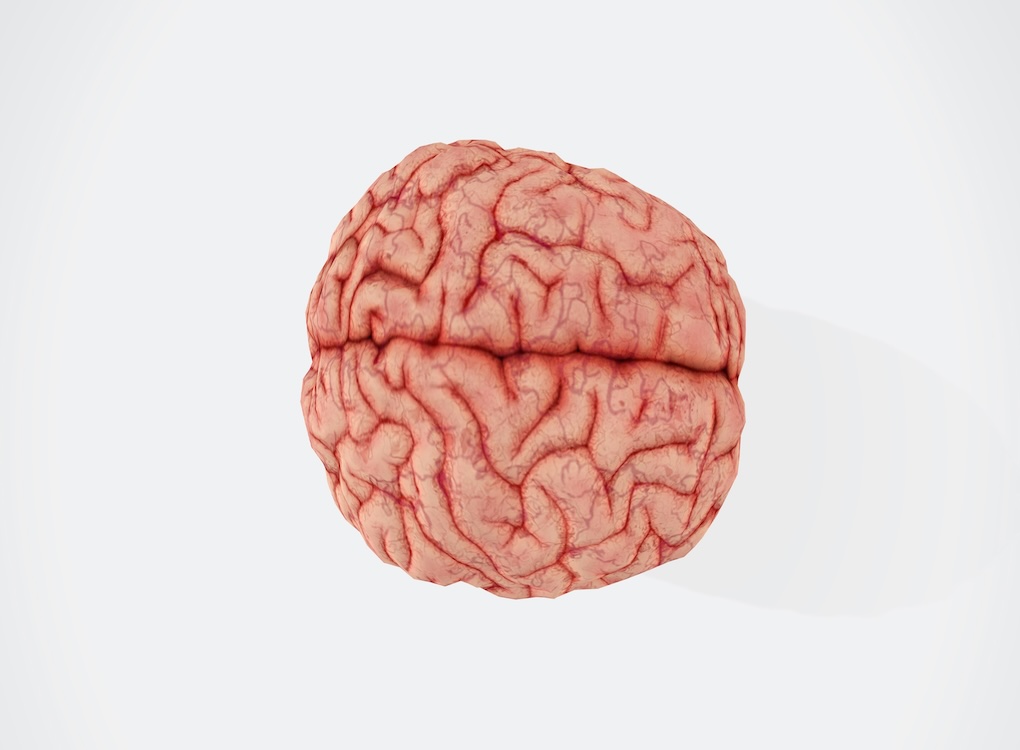
I just finished watching a TED Talk on the adolescent brain, delivered by a presenter whose lifelong passion has been to study just that topic. She didn’t back up her learning with anything beyond very general statements. Understandably, the setting didn’t allow for it.
I found her scientific points quite interesting, but without more background, I’m on the fence with some of her findings. However, I don’t like throwing out the baby with the bathwater. So, I’ll explore some of her presentation and let you mull over her ideas with your own bit of thinking.
I can get caught up in adolescent FOMO, fear of missing out, for my generation. Or the obsession with screen time and social media.
I also start with the premise that adolescence isn’t a problem to be solved. They represent our brighter future. They have superpowers that let them adapt to rapid life changes.
Science agrees (science never is 100% in agreement) that in early adolescence, there is a shift in the brain which delays their identified need for sleep by at least an hour. They become night owls, making it difficult to get up to attend school or start a morning shift at part-time work.
Girls start maturing about a year earlier than boys. Some would say they have a lifetime lead! Their signs of maturity can lead to adultification by those around them. We expect more from them than they can deliver.
One difficulty I had was with the presenter’s science of adolescent decision-making. I quote her next.
“Decades of research show adolescents can make good decisions about big things. Around age 16, their decision-making abilities basically match those of adults Around age 16, their decision-making abilities basically match those of adults when they have the time and space to think carefully.”
I’ll need more evidence on that one. But I do pause when I look at voting results from around the world, where we consider the elections to be free and fair—food for thought.
Further points from her research, which, fingers crossed, I try to believe.
Parents still rank as the strongest influencers, surpassing social media. Mental health issues among adolescents double when bullying occurs. That gave me pause as I thought about online bullying. I checked the TED Talk’s date, and it was only 7 months ago. Maybe science has considered online bullying under a different label. Or perhaps the numbers are small but more dramatic, drawing more attention in the nightly news.
Many young parents don’t have their own parents nearby. Those with nearby parents may not be fully equipped to handle the world the adolescents are facing. Support for parents is so important.
If you’ve flown in recent decades, you’re probably familiar with airline staff telling us during safety demonstrations to put on our own oxygen masks first before assisting others.
That applies to today’s parents. For them to do their job well, they need to have good mental health themselves before they assist others.
Please give this a bit of a think. Without getting tangled up in the validity of the science, we can still think through some of the ideas presented while leaving open the possibilities that our logical thinking may be flawed as well.
Please comment by sending me an email with your bit of a think. I am curious about your thoughts.
Photo by BUDDHI Kumar SHRESTHA on Unsplash
To listen to the full TED Talk video, click Adolescent Brains.
If you enjoyed The Blog, please share it with others. Thanks.
And my thanks to St. Albert’s 50+ Activity Centre for making this Blog possible.
glenn.walmsley@icloud.com
Volunteer Blogger

Post with the permission of the author, Patti:
My husband and I just returned from a week long trip to Arizona with our daughter and two grandsons ages 3 and 7. It was a 5 hour flight mostly calm, the only turbulence came occasionally from seats 24 and 26 when a tablet lost connection.
We were referred to on more than one occasion as a “generational family” by smiling faces probably thinking, “ How nice, the grandparents travelling with their grandkids.” Little did they know.
I ordered a beer on the return trip to calm my nerves. ( and also because on Air Canada it’s free) and no, it wasn’t noon yet. If the 7 year old dared to antagonize the 3 year old, the latter would erupt with a cuss word.
BUT, to hear them say more than once “ This is so much fun” after a trip on the Monster Truck to feed the ostriches, or pet the Sting Rays, ride the mini train through a dark tunnel, shoot a real looking rifle, pick cotton from a field, hike along a cactus trail,
hold a coconut head cobra, swim at 8:00 am ; well you get the picture. The 7 year old collects rocks but the two he found would have put our luggage over capacity so guess who schlepped them home in her carry on?
In hindsight, travelling without our grandsons would have been rather dull. We will continue to make them part of our daily life as we are fortunate enough to have them live nearby and see them everyday.
Thanks, Patti. What a wonderful trip. Taking care of yourself and family. A double win.