








Blog
Is it Private or Public
Mar
by

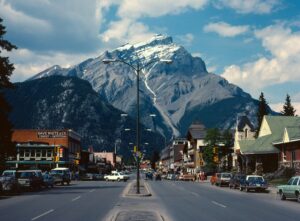
I was reading about the city’s plan to charge private vehicle owners to park on public roadways, even in front of their homes.
Why. Then again, why not?
Necessity is the mother of invention, including new ways for governments to increase their revenue through creative new sources.
This has been true throughout the ages. When I travelled in Europe, the guides always pointed out the remnants of this evidence. I kid you not.
One tax was based on the square footage of the front of your home. It was not surprising that homeowners built pie-shaped homes with the pointy front end facing the street.
Another creative tax was based on the number of windows in your home. Again, many of these windows were quickly boarded up. Some owners painted the outside of the boarded windows to blend in perfectly with the decorative exterior.
These are two examples of the arbitrariness of a tax levy. Let’s sum it up by saying the government will collect its money one way or another. Each taxpayer hopes it will be the other guy who pays more than his fair share.
Now, let’s jump to the present day. Every city has ongoing debates among its citizens about how much public money should be allocated to support public transportation. Suggestions range from making public transportation free to making it self-supporting, based solely on fares collected.
I like to conceptualize extreme ideas on a continuum. It clarifies my thinking. So, let’s assume that taxes on cars were so high that nobody had a private vehicle. Some upsides: Less costly snow clearing of residential streets. They would still need to be cleared for emergency, delivery, and garbage collection trucks. But without parked cars, a clean sweep could be done much more quickly and cheaply. Some downsides: Oh, too many to count or discuss. Nevertheless, here’s one solution. Since private cars are mostly parked, the common mode of transport would be a combination of private taxis, Uber, driverless cars, and public transportation.
Some cities are restricting street parking in crowded downtowns to give taxis and delivery vehicles space to drop off and pick up.
One of the complaints about public transportation is that it takes too long and is inconvenient. Sitting in rush-hour traffic is too, but we almost accept it as inevitable.
What if the government taxed all vehicles based on the number of axles they have? Calm down and hear me out. Heavier trucks have more axles and consequently cause more damage to the roadway. A taxi with one paying passenger has two axles. Articulated, or bendy, buses have three axles. Tax collection could be done using current technology, such as at the on/off ramps of some highways via a licence plate or radio signal.
Please give this a bit of a think. Assuming tax dollars are being spent efficiently and effectively, a stretch perhaps, do you have ideas for how governments could collect the money they need to deliver the services we expect?
Please comment by sending me an email with your bit of a think. I am curious about your thoughts.
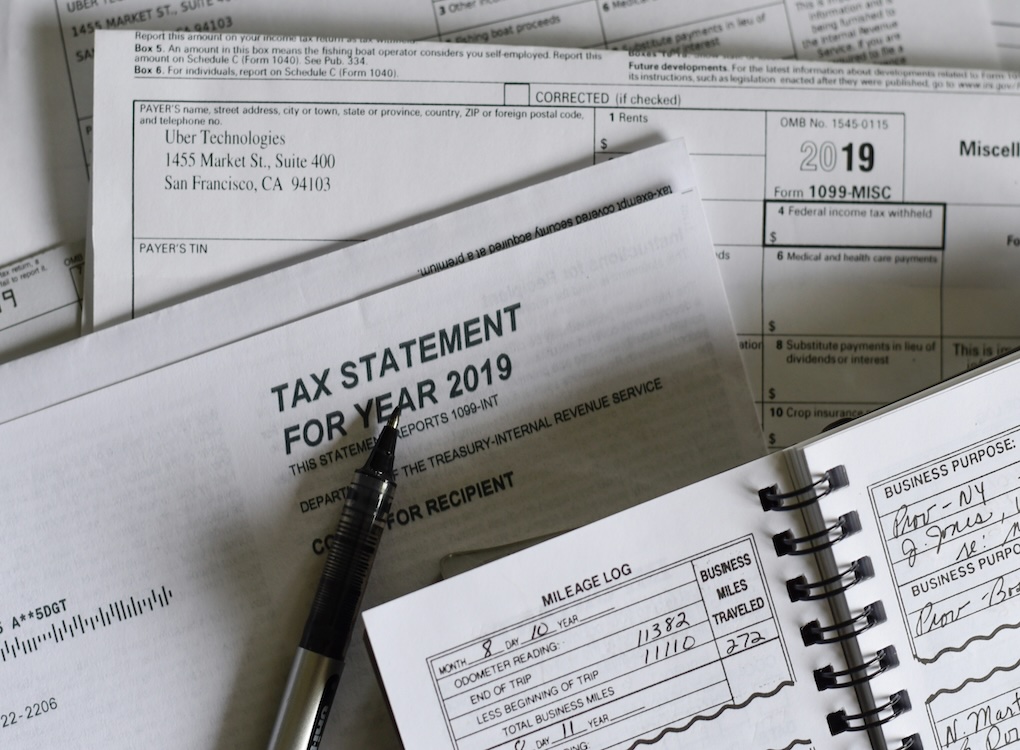
Photo by Olga DeLawrence on Unsplash
If you enjoyed The Blog, please share it with others. Thanks.
And my thanks to St. Albert’s 50+ Activity Centre for making this Blog possible.
Volunteer Blogger

How to increase taxes? This is really a challenge because every known practical way for our government to get more money has been exhausted.
Well, except for taxing our first born but the people might take to the streets.
The latest tax I’ve encountered comes to those who own recreational property in Muskoka . We own a five week interval ownership and if we want to rent out a week that we own, we must collect 4% of the rental fee and submit it to the municipality. Apparently this helps to offset costs of tourism and infrastructure that becomes stretched when so many people descend upon the area during high season. 🤷♀️
But back to street parking; in our municipality we cannot park on our street from 2am to 6 am , year round .
Posted with permission of the author,Patti:
This is the time that our snowploughs come around but to my knowledge it has never snowed in July. If you do park overnight, the city collects a $100 fine for winter parking and $65 for other times.
If our city put up a spectacular monument 🏛️maybe we could charge tourists to come and see it like they are doing in Barcelona and Rome.
But it would have to be really special