






Blog
Cruciverbalist
Jun
by

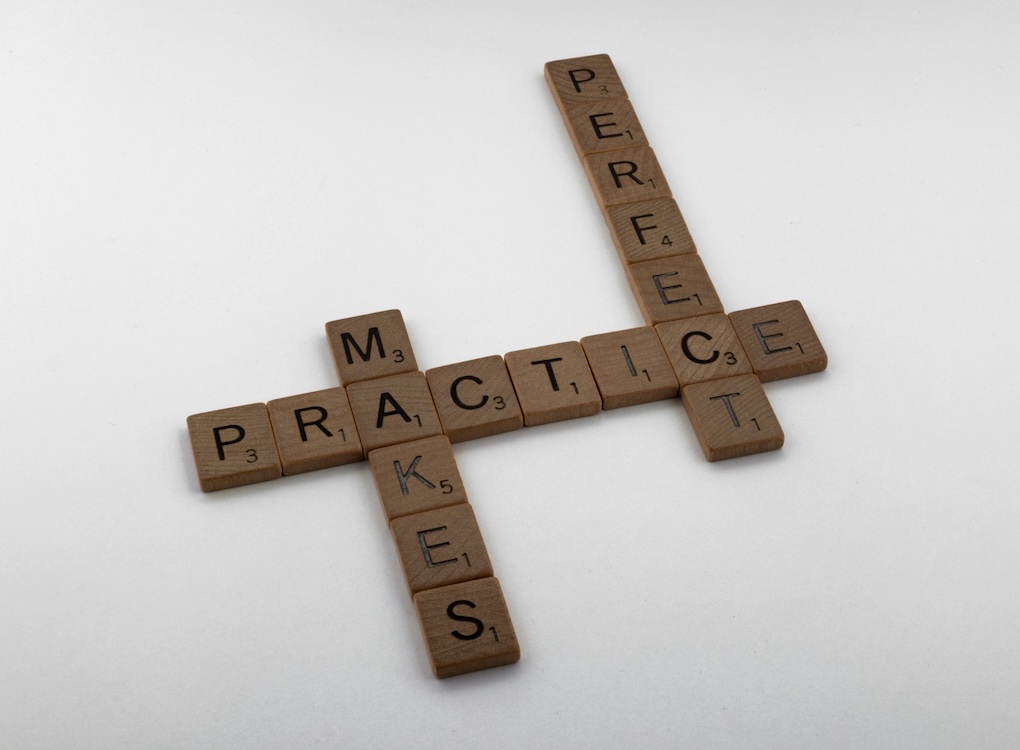
I have never heard of this word either. Think #4 Across, 14 letters.
It means a person who is a crossword puzzler, especially one who makes puzzles.
My wife does the daily New York Times crossword puzzle. She completes many of them. I’ve tried a few times, but I don’t have the vocabulary, or so I thought. Many of the words, abbreviations, and slang are too American for me to know. I just don’t know the nickname of the American General who fought at the Battle of ?? during the Civil War. Even when I check the answer page, the name means nothing to me.
Where is a Canadian-focused crossword puzzle when I need it?
That question got me thinking about not being included very often in this ultimate crossword puzzle giant, the NYT.
Inclusiveness is rarely something I am aware of about myself. As a white male, I’m unaware of my inclusion until I’m not included.
In 1913, crossword puzzles first appeared in the New York Times. The target audience for the topics, such as sports, politics, and business, was white males. In 1942, the NYT began creating its own crossword puzzles.
Inclusion, bias, and perspective were initially not on anyone’s mind. As these concepts took hold in the world at large, and to varying degrees, crossword puzzles came in the crosshairs for not reflecting society.
For example, if the answer is the name of a specific person, the clue could refer to either a terrorist or a freedom fighter.
Some crosswords about famous people from the not-too-distant past had no women’s names as answers, only men. The black community, Indigenous people, and LGBTQ+ were rarely represented in clues.
The long-running TV show Jeopardy had a ‘Canadian’ clue slipped into every episode. Canadian-born host Alex Trebek insisted. A small nod to inclusion.
The issue is now on the table among gatherings of cruciverbalists. The NYT has broadened its crossword editorial group to help catch unintentional biases. It is not easy to see what is invisible.
Please give this a bit of a think. Are there areas in your life where you see the biases that are possibly unintentional because they are invisible?
Please comment: Send me an email with your bit of a think. I am curious about your thoughts.
This Blog was inspired by the CBC GEM, Across & Down
Featured Photo by Brett Jordan onUnsplash
If you enjoyed The Blog, please share it with others. Thanks.
And my thanks to St. Albert’s 50+ Activity Centre for making this Blog possible.
Volunteer Blogger
