







Blog
Parellel Lines can Meet in the Future
Nov
by

I was browsing YouTube videos, looking for something that would qualify as ‘time well wasted.’ I found it in a story about the canal locks at Sault St. Marie, Ontario. The story felt eerily familiar to our current national struggles.
I see another rabbit hole in my immediate future. Please join me.
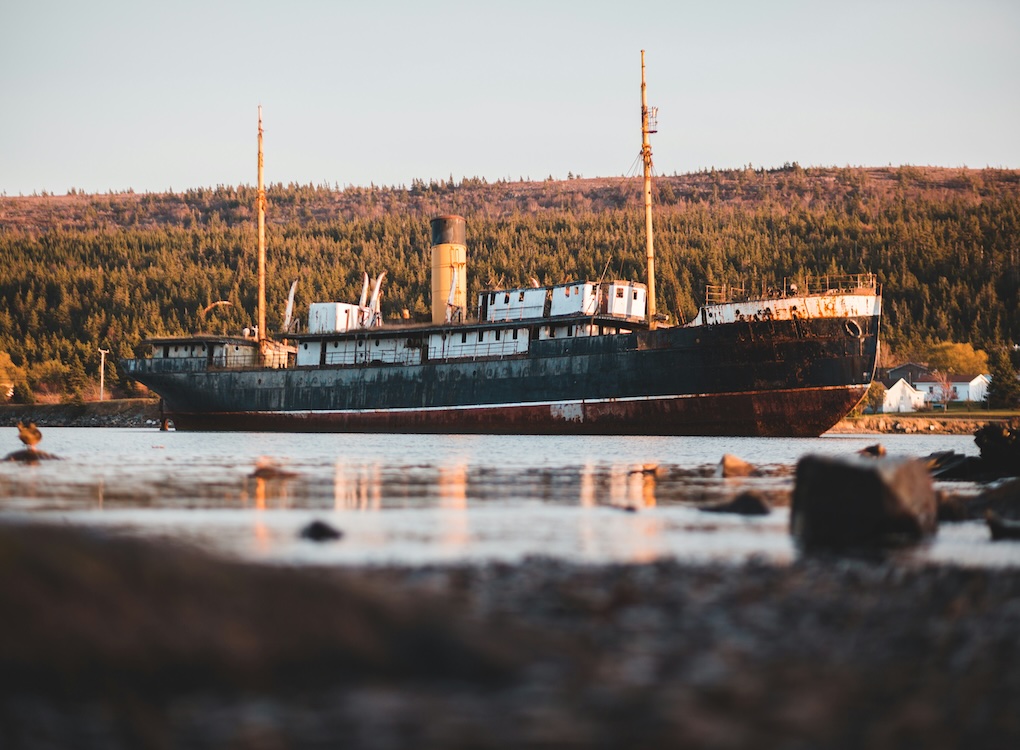
The SS Chicora, a steamship built for work on the Great Lakes, was chartered in 1870 by the Canadian Government to carry supplies west to the Red River. The Government saw trouble brewing there and wanted to be prepared.
The natural waterway linking Lake Huron to Lake Superior was the most efficient route for moving these supplies: By water as far west as possible, then switch the cargo to wagons for the final leg of the trip.
A good plan, except for one thing. The waterway between the two lakes near Sault Ste. Marie included a stretch of rapids. Lake steamers could not pass through these rapids.
But fear not, there was an easy solution.
The Americans opened a canal in Michigan in 1855. Cargo ships bypassed the rapids without interruption for 15 years.
But this cargo of 1870 was different. It carried material classified as military. The Americans said it would not allow any foreign military items to pass through their locks.
No amount of negotiation or diplomatic pleading had any impact. The Americans stood firm. Three times, the SS Chicora approached the American locks, only to be refused each time.
Honour and face were saved by an understanding that the SS Chicora and other boats could unload their cargo on the Canadian side. All of it could be portaged 19 kilometres along a primitive dirt road through the bush. They would then load it back onto the Chicora above the rapids on Canadian soil. The Americans agreed to let the ship pass, provided it didn’t carry military supplies.
This worked, but the Canadian realized it was not a long-term solution. A foreign power, America, could change its mind and prevent Canada from protecting its own territory.
The site for loading ships on the Canadian side was not deep enough for the size of the current steamships, so everything was transferred from ship to shore by small rowboats. The location had no name, so the authorities at the time called it Prince Arthur’s Landing. The town that grew there became Port Arthur, which later merged into Thunder Bay.
The parallels between foreign ownership and Canadian sovereignty were alive and well in 1850. Here we are today, some 175 years later. The lines have merged in our time.
Please give this a bit of a think. Can you identify a personal situation; a pattern that repeats itself, that might be silently calling out to be resolved once and for all?
Please comment or send me an email with your bit of a think. I am curious about your thoughts.
Photo by Erik Mclean on Unsplash
If you enjoyed The Blog, please share it with others. Thanks.
And my thanks to St. Albert’s 50+ Activity Centre for making this Blog possible.
Volunteer Blogger
