









Blog
Doing Better Than I Thought
Aug
by

I recently read an article with strong methodology, following 12,000 Americans over 12 years. One can always find weaknesses in methodology because research examines reality, which is virtually impossible. The research intervention can affect outcomes. But some methods are better than others, and I consider this research worth reflecting on for practical applications to my life.
The key finding that upset my understanding of aging can be boiled down to one sentence they included in their findings.
“Nearly half of older adults actually improve in later life.”
This study examined improvements in function across cognitive and physical health. About 32% improved their cognition, and 28% improved their walking speed. Overall, more than 45% showed improvement in either ability.
So, this means that 26,000,000 older Americans improved.
There has long been a belief that when one area shows decline, other areas are headed into a decline. That’s just what aging is like.
Wrong!
“Age Beliefs” are deeply held attitudes about the aging process. People who believe the best years are still ahead of them are more likely to engage in health-promoting behaviours, such as exercising and building social connections.
Health professionals are not immune to erroneous age beliefs. When they do, they overattribute decline to ageing and assume other areas won’t be far behind. There will be a bias towards fewer rehabilitation referrals and memory support programs.
So, what do I learn from this study? First, even if the faults in the research are so significant that the findings may be invalidated, I can still behave as if I have a bright future filled with joy, curiosity and constant awe about life.
Second, I will continue to act as if I do have a bright future. And why not? Folks around me appreciate a positive attitude. I’m happier when I choose to have a bright future. I have n=1 evidence that I’m better off ageing with a smile rather than a frown.
With my physical health, I see a brighter future, grounded in optimism. Take my fingers, for example. My finger joints ached. It started with one knuckle and spread to all the joints over a few months. When I broke my wrist many years ago, part of the rehab was to gently stretch those muscles. Long after full recovery, I decided to continue stretching my wrists 3 times each week. I have no ache in those 2 joints.
As my fingers started to join the joint parade of pain, I thought maybe stretching all those joints would help. I added a 30-second stretch, and the pain disappeared. If I stopped stretching for a few days, the pain returned.
Very recently I read the latest research on stretching. The optimum stretch time was 1 minute. So, I doubled my visiting time with each joint. Wow, what a difference. I can go a month without stretching, and the pain is just starting to return.
Nothing like positive reinforcement to maintain a behaviour pattern.
Cognitively, when paper maps were a thing, nobody regarded their use as a sign of mental decline. Imagine being kindly laughed at for needing to use a map instead of just looking at it, then folding it up and heading out on a trip. (See how I avoided the mental decline joke about folding the map.)
Now I use digital reminders to help me. They may include map directions or needed grocery items. I can identify numerous things I do that suggest an optimistic future, such as laying down wine to drink in 10 years.
Please give this a bit of a think. Do you agree, disagree with the findings of this study? On a scale of 1-10, with 10 being very optimistic, where do you put yourself?
Please comment: Send me an email with your bit of a think. I am curious about your thoughts.
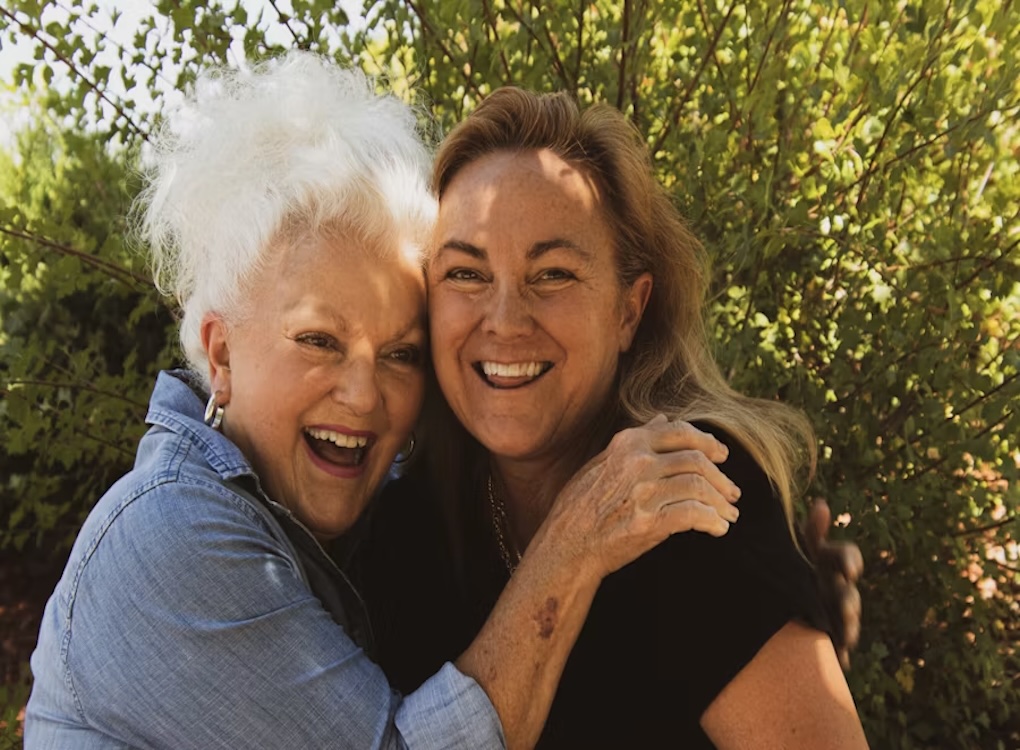
Photo by LOGAN WEAVER | @LGNWVR on Unsplash
If you enjoyed The Blog, please share it with others. Thanks.
And my thanks to St. Albert’s 50+ Activity Centre for making this Blog possible.
Volunteer Blogger
